What to Expect During a Visit to an Emergency Animal Hospital
When a pet suddenly becomes seriously ill or injured, deciding what to do can be stressful. A visit to an emergency animal hospital may happen with little warning, leaving owners unsure about what will happen after they arrive. Knowing the basic process ahead of time can make the experience less overwhelming and help you focus on your pet.
An emergency animal hospital is equipped to evaluate urgent conditions and provide immediate treatment when a regular veterinary office may be closed or unable to handle a critical case. From the initial triage assessment to diagnostic testing and treatment, understanding each stage can help you feel more prepared.
What Constitutes an Emergency for My Pet?
Some conditions require immediate veterinary attention because delaying treatment could put a pet's life or long-term health at risk. Difficulty breathing, uncontrolled bleeding, severe injuries, poisoning, seizures, loss of consciousness, and sudden inability to stand or walk are examples of situations that may warrant an emergency animal hospital visit.
Other warning signs can include repeated vomiting or diarrhea, especially when accompanied by weakness or blood, severe abdominal pain, difficulty urinating, or sudden behavioral changes. Heatstroke and suspected ingestion of toxic substances should also be treated seriously.
When you are uncertain whether a problem is truly an emergency, contacting a veterinarian for guidance can be helpful. The veterinary team can ask questions about your pet's symptoms and recommend whether immediate evaluation is appropriate. If the situation appears life-threatening, however, it is generally best not to delay transportation to an emergency animal hospital while attempting to determine the exact cause yourself.
How Are Emergencies Prioritized Upon Arrival?
When you arrive at an emergency animal hospital, your pet will typically undergo an initial triage assessment. Triage allows the veterinary team to determine how urgently each patient needs attention. This means pets are generally not treated strictly in the order they arrive.
For example, an animal struggling to breathe may need immediate intervention, while a pet with a less serious injury may safely wait longer for a complete examination. This can sometimes be frustrating for owners who have been waiting, but prioritizing the most critical patients helps the veterinary team use limited resources where they are needed most.
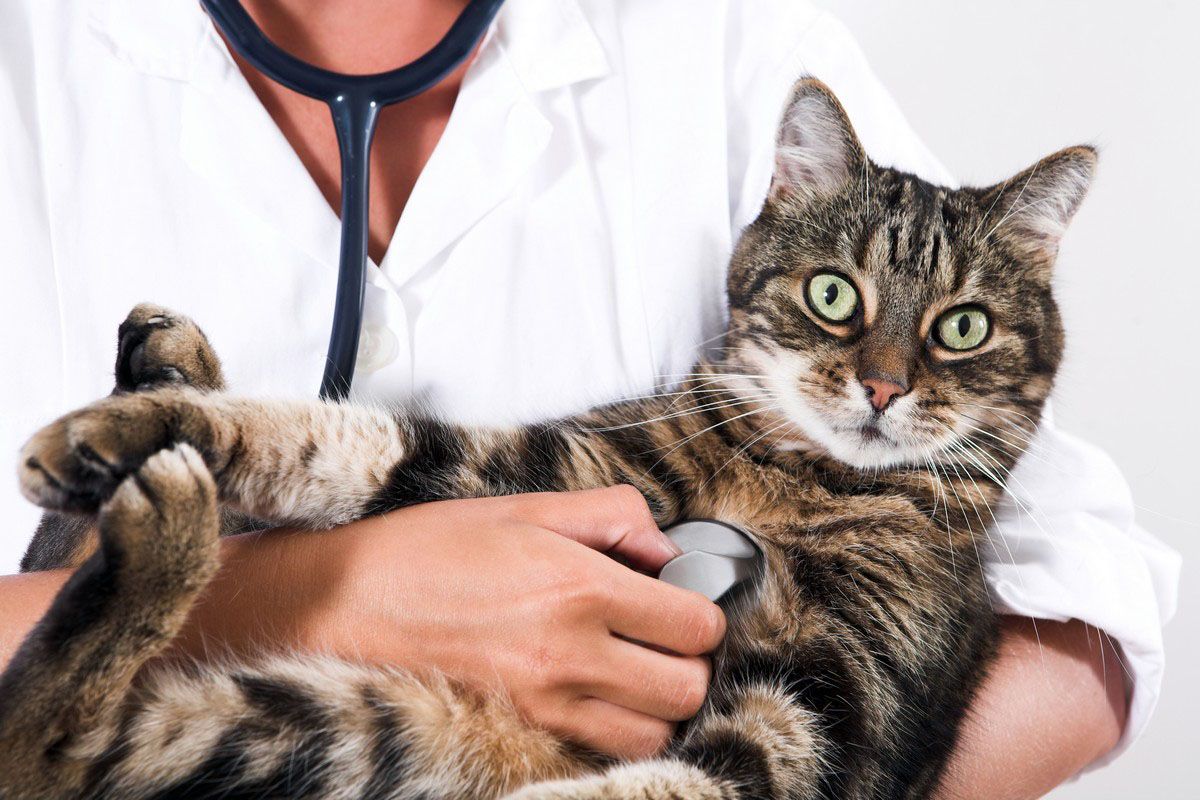
During triage, veterinary personnel may ask what happened, when symptoms began, whether your pet has existing medical conditions, and whether your pet takes any medications. They may also quickly assess breathing, circulation, responsiveness, and other vital signs.
At an emergency animal hospital, this initial evaluation helps determine whether your pet needs immediate stabilization before a more comprehensive examination can take place.
What Types of Treatments Are Available at an Emergency Animal Hospital?
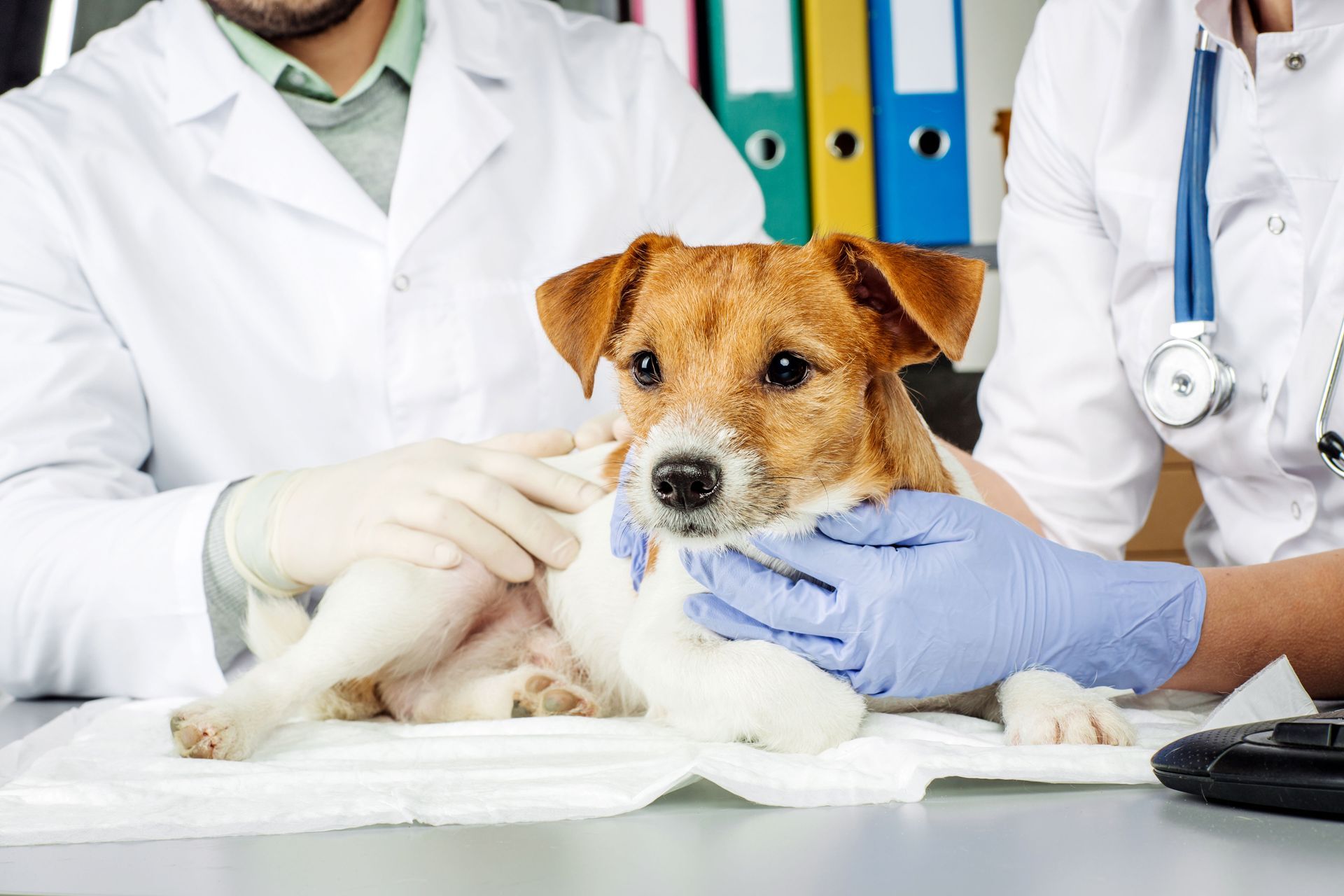
The treatments provided depend heavily on the nature and severity of your pet's condition. An emergency animal hospital may provide services ranging from basic wound care to intensive stabilization and surgery.
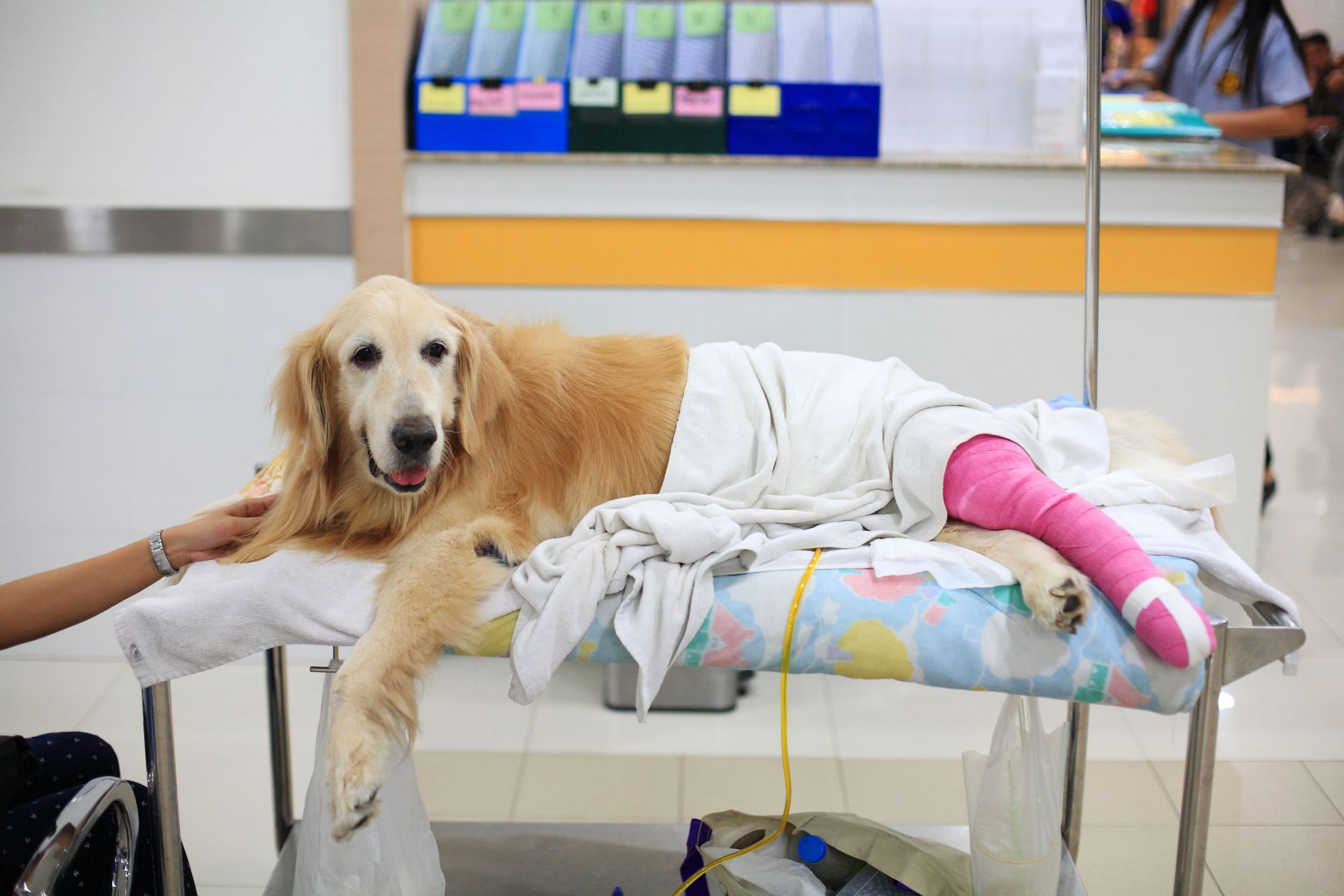
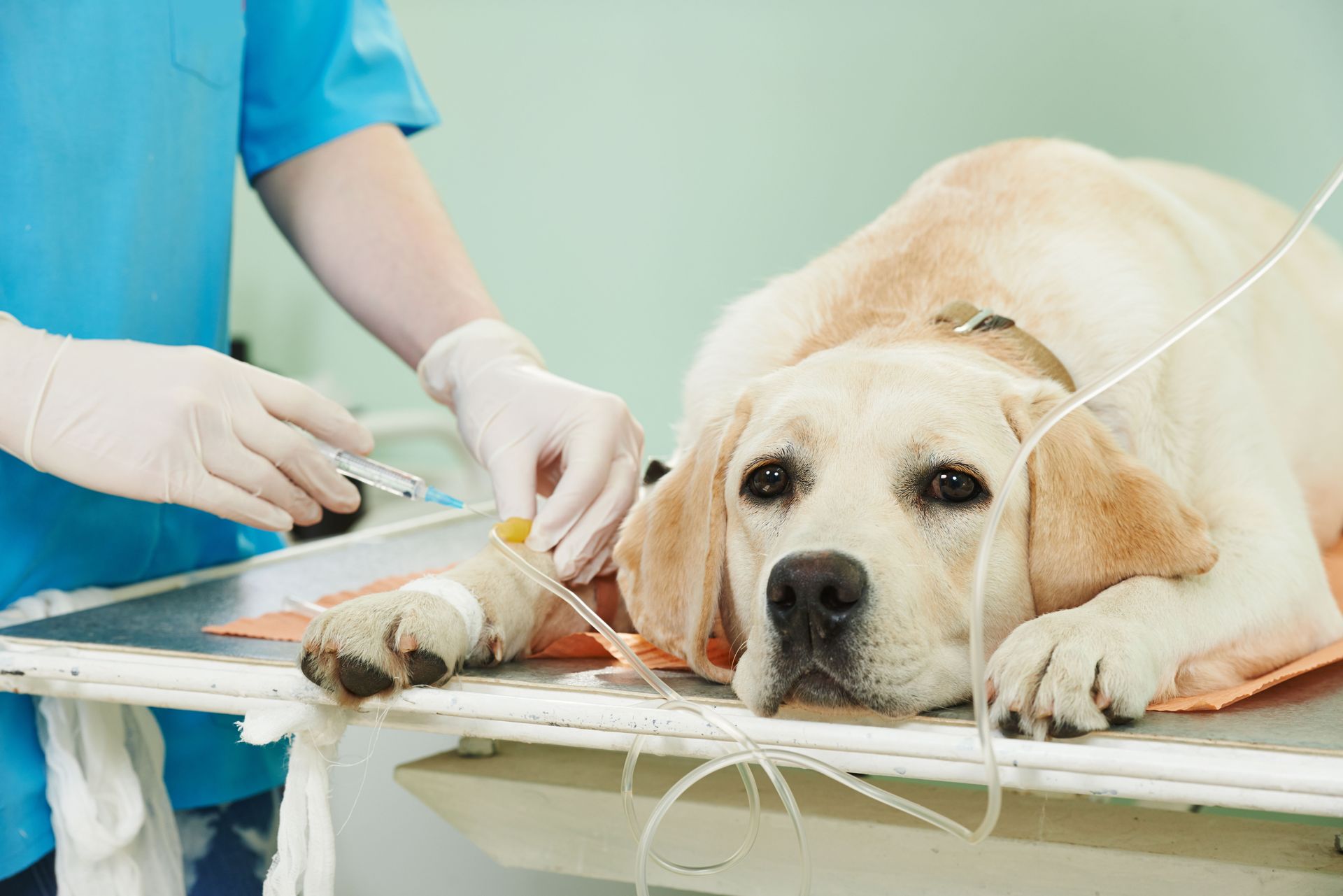
Common emergency treatments can include intravenous fluids, oxygen therapy, pain management, medications, wound treatment, and monitoring of vital signs. Veterinarians may also perform blood tests, X-rays, ultrasound examinations, or other diagnostic procedures to determine what is causing your pet's symptoms.
For animals experiencing severe trauma, poisoning, respiratory distress, or other critical conditions, treatment may begin before a definitive diagnosis is available. Stabilizing breathing, circulation, body temperature, or other essential functions can be the first priority.
Depending on the facility, an emergency animal hospital may also have surgical capabilities for conditions such as serious injuries, internal bleeding, foreign-body obstructions, or other problems requiring urgent intervention. Some patients may remain hospitalized for monitoring and continued treatment, while others can return home with instructions for follow-up care.
What Should I Bring to the Emergency Animal Hospital?
When possible, bringing useful medical information can help the veterinary team make decisions more quickly. If you have access to your pet's medical records, bring them along or have them sent to the emergency facility. Information about current medications, allergies, previous illnesses, and recent veterinary treatments can be particularly valuable. If your regular veterinarian's office is open, you may also be able to ask them to send relevant records directly to the emergency team. Having this information available can help prevent delays and reduce the risk of treatments that could conflict with your pet's existing medications or conditions.
You should also bring any medications your pet currently takes, if practical. If poisoning or ingestion is suspected, bring the packaging or a photograph of the suspected substance when doing so is safe. Do not induce vomiting or administer home remedies unless a veterinarian specifically tells you to do so. Even well-intentioned treatments at home can sometimes make certain types of poisoning or injuries worse.
A leash or secure carrier is also important. Even normally calm pets can become frightened, disoriented, or defensive when they are sick or injured. Keeping your pet safely restrained can prevent additional injuries during transportation and arrival. A familiar blanket or small comfort item may also help reduce anxiety while your pet is being transported or waiting for evaluation.
If possible, write down when symptoms started and how they have changed. Details such as the amount of food or water consumed, vomiting frequency, potential exposure to hazards, or changes in urination can provide useful information during the examination. Be prepared to explain anything unusual your pet may have eaten, encountered, or experienced recently, even if you are not sure it is related to the current problem. Small details can sometimes help the veterinary team identify the underlying cause more quickly.
How Can I Manage the Cost of Emergency Veterinary Care?
Emergency veterinary treatment can become expensive, particularly when a pet requires diagnostic testing, hospitalization, surgery, or specialized medication. Preparing financially before an emergency occurs can make these unexpected expenses easier to manage.
Pet insurance is one option some owners use to help offset eligible veterinary expenses. According to Sci-Tech-Today, 23% of pet owners in 2024 had insurance to help cover their pets' medical costs. Coverage varies significantly between policies, so owners should understand deductibles, reimbursement rates, exclusions, waiting periods, and annual or lifetime limits before purchasing a plan.
If you do not have pet insurance, ask the emergency animal hospital about available payment options. Some veterinary facilities offer financing programs or payment plans through third-party providers. Policies differ by hospital, so it is worth asking about payment expectations as early as possible.
It may also be helpful to request an estimate before non-immediate procedures when your pet's condition allows. Veterinary teams can often explain which treatments are essential immediately and which procedures may be considered later. However, when an animal is critically ill, delaying necessary treatment solely to compare costs can put the pet at greater risk.
Knowing what to expect during a visit to an emergency animal hospital can make an upsetting situation easier to navigate. Recognizing serious symptoms, understanding triage, and knowing what information to bring can help the veterinary team begin appropriate care as efficiently as possible.
An emergency animal hospital may provide everything from diagnostic testing and medication to oxygen therapy, surgery, and intensive monitoring, depending on the patient's needs. Financial preparation is also worth considering, whether that means researching pet insurance or learning about available payment options.
Most importantly, preparation should not replace professional veterinary advice. When a pet shows signs of a potentially life-threatening condition, prompt evaluation can make an important difference. Understanding the role of an
emergency animal hospital before an emergency occurs can help owners respond calmly and make informed decisions when their pets need them most. If you need emergency vet care, visit Bowling Green Veterinary Emergency Clinic right away.
Share On: