How Emergency Vets Handle Poisoning, Trauma, and Seizures
The bond between a person and their animal companion is a source of profound emotional stability and joy. This connection is deep and multifaceted, providing a sense of purpose and unconditional love that defines the domestic experience for millions. According to Sci-Tech-Today, about 57% of pet owners say their pets help reduce stress. Because these animals play such a vital role in our psychological well-being, a sudden medical crisis involving a beloved dog or cat can be a deeply traumatic event for the entire family. When a pet faces a life-threatening situation, the calm, specialized expertise of an emergency vet becomes the primary line of defense against tragedy. These professionals operate in a high-stakes environment where every second counts and every decision must be grounded in advanced medical knowledge.
Unlike a general practice that operates during standard daylight hours for routine vaccinations and wellness checks, an urgent care facility for animals is designed to manage the most chaotic and complex medical scenarios. These clinics are equipped with sophisticated diagnostic tools, advanced surgical suites, and intensive care monitoring systems that remain ready at any hour of the night or holiday. The transition from a peaceful evening at home to the sterile, fast-paced world of urgent veterinary medicine is jarring, but it is within these walls that miracles of modern science occur daily. Understanding how these specialists approach critical issues like toxic ingestion, physical injury, and neurological episodes can provide pet owners with the clarity and confidence they need during their most difficult moments.
Neutralizing Toxic Ingestions
One of the most frequent reasons a pet is rushed to an emergency vet involves the accidental consumption of hazardous substances. Domestic environments are filled with items that are harmless to humans but lethal to animals, such as chocolate, certain lilies, xylitol, or human medications. When a poisoning is suspected, the medical team must act with extreme haste to prevent the toxin from being fully absorbed into the bloodstream. The initial phase of treatment often involves the induction of vomiting if the ingestion occurred recently, followed by the administration of activated charcoal to bind any remaining particles in the digestive tract.
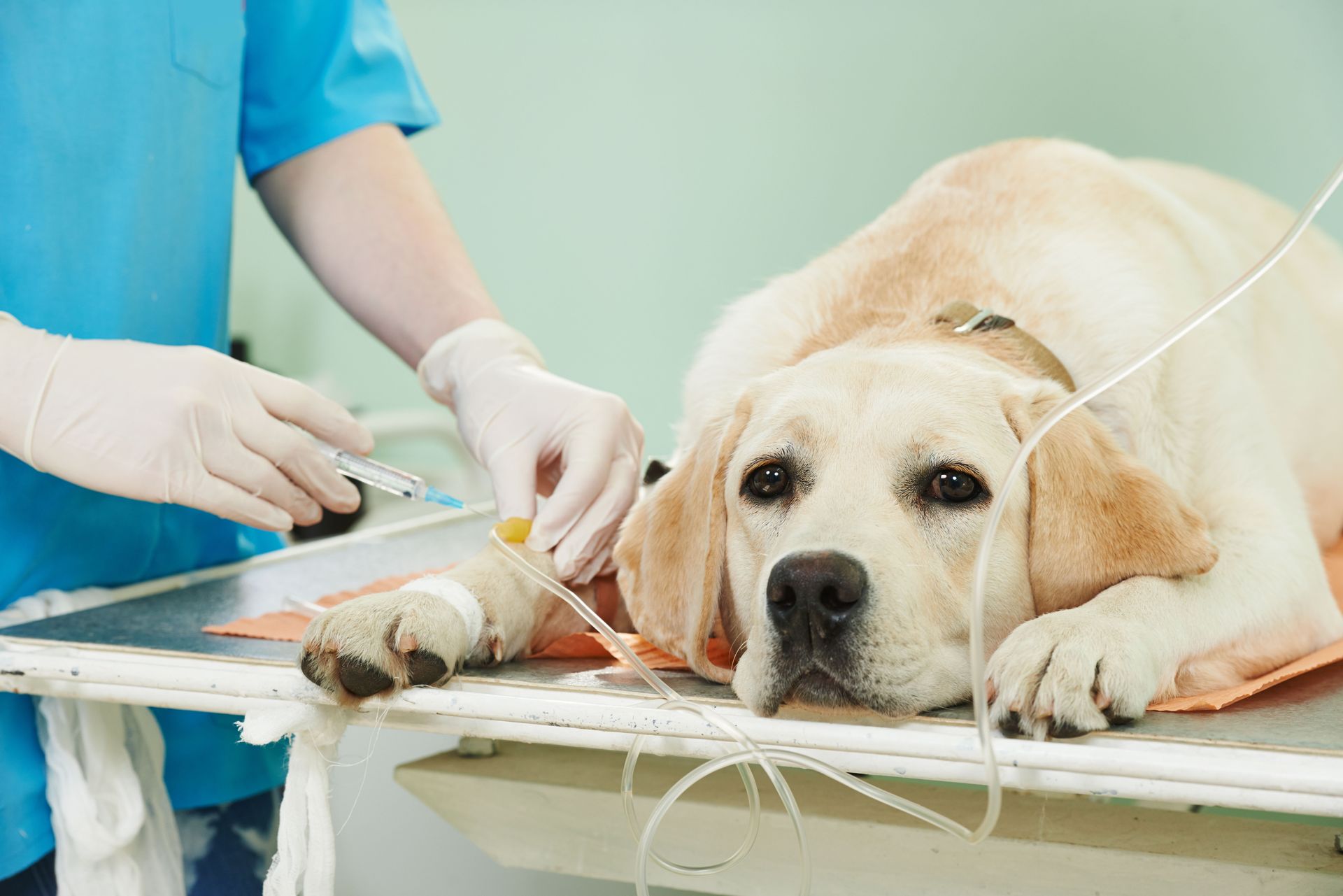
As the toxin begins to interact with the animal's internal organs, the focus shifts toward aggressive supportive care. This often includes the use of intravenous fluids to flush the kidneys and maintain blood pressure, along with specific antidotes if they are available for the particular substance involved. The medical staff monitors liver enzymes and kidney function around the clock, adjusting treatments as the situation evolves. This meticulous attention to detail is what prevents a curious mistake from turning into a permanent loss, as the team works tirelessly to stabilize the patient’s delicate internal chemistry.
Stabilizing Severe Physical Trauma
Physical injuries resulting from vehicle strikes, falls from significant heights, or altercations with other animals require a systematic and rapid approach known as triage. When a traumatized patient arrives, the emergency vet first assesses the "big four" vital systems: the respiratory, cardiovascular, neurological, and urinary systems. This immediate evaluation ensures that the most life-threatening issues, such as a collapsed lung or internal hemorrhaging, are addressed before any broken bones or surface wounds are treated. Oxygen therapy and shock management are often the first steps in preserving life during those initial, critical minutes.
Once the patient is stable enough for further investigation, the team utilizes digital radiography and ultrasound to identify internal damage that is invisible to the naked eye. Surgery may be required to repair ruptured organs or to stop internal bleeding that cannot be managed through medication alone. Throughout this process, pain management is a top priority, as uncontrolled pain can lead to a dangerous spiral of physiological stress. The goal of the trauma team is to move the patient from a state of crisis to one of stability, paving the way for the long road of recuperation and healing that follows a major accident.
Managing Acute Seizure Episodes
Neurological emergencies, particularly seizures, are among the most frightening experiences a pet owner can witness. A seizure is a sudden surge of abnormal electrical activity in the brain, and when they occur in rapid succession or last for an extended period, they can lead to permanent brain damage or a dangerous rise in body temperature. Upon arrival at the clinic, the emergency vet will immediately administer fast-acting anticonvulsant medications through an intravenous catheter to "break" the seizure activity. The primary objective is to quiet the brain and prevent the cycle of neurological firing from continuing.
After the physical tremors have subsided, the medical team begins a thorough investigation to determine the underlying cause of the episode. This may involve blood panels to check for metabolic imbalances, toxicity screens, or recommendations for advanced imaging like a magnetic resonance scan. In many cases, the patient must be hospitalized for observation to ensure that the seizures do not return as the initial medications wear off.
Administering Intensive Care Monitoring
For patients in critical condition, the level of oversight required exceeds what can be provided in a standard hospital ward. The intensive care unit of an urgent facility is staffed by technicians and doctors who provide constant vigilance. Every change in heart rate, breathing pattern, or temperature is noted and addressed in real time. An emergency vet relies on sophisticated telemetry and blood gas analysis to make minute-to-minute adjustments to oxygen levels, fluid rates, and medication dosages. This level of care is essential for animals that are unable to maintain their own bodily functions without assistance.
Performing Urgent Surgical Interventions
Sometimes, the only way to save a life is through immediate surgical action. Conditions such as gastric dilatation-volvulus, commonly known as bloat, or a foreign body obstruction in the intestines require the emergency vet to move directly from diagnosis to the operating table. These procedures are performed under high-pressure conditions, often in the middle of the night, requiring a surgeon who is skilled in making rapid, life-saving adjustments.
During these surgeries, advanced anesthesia monitoring is used to protect the patient, who may already be in a weakened or compromised state. The veterinary team works in a highly coordinated fashion, with one individual focusing on the surgical site while another manages the vitals and a third assists with specialized equipment. This collaborative effort is a hallmark of the urgent care environment, where the collective skills of the staff are focused entirely on resolving the immediate crisis. Post-operative care begins the moment the surgery is finished, as the patient is moved back to the intensive care area for recovery.
As you look into the eyes of your pet tonight, take comfort in the knowledge that specialized help is always available should the unthinkable occur. The readiness of these medical teams is a silent promise to every pet owner that their bond is valued and protected. By choosing a path of professional restoration and rapid response, we honor the loyalty our pets show us every day. The work of an urgent care team is a vital part of a community's infrastructure, providing peace of mind and essential service to those who need it most.
At Bowling Green Veterinary Emergency Clinic, we are dedicated to providing the highest level of urgent care with a collective commitment to excellence and empathy. Our team stands ready to support you and your beloved companion through any medical crisis, ensuring that you receive the expertise and compassion required for the best possible outcome.
Share On: